
Skip to content

How Much Waste Does Car Recycling Prevent Every Year?

Every year, thousands of vehicles in Northern Ireland reach the end of their life. While they may no longer be roadworthy, they’re far from useless — in fact, they’re a massive source of reusable materials, many of which would otherwise end up in landfills.

By recycling end-of-life vehicles (ELVs), companies like Ecopart help prevent an incredible amount of waste, pollution, and environmental damage. But just how much waste is actually avoided each year through car recycling?

Let’s break it down.


🚗 The Waste Hiding in Every Vehicle

An average car weighs around 1.3 to 1.5 tonnes — and much of that is recyclable:

  • Steel & iron: 60–65% of the vehicle

  • Aluminium, copper, and other metals: ~10%

  • Plastics, glass, rubber: ~15%

  • Fluids (oil, brake fluid, coolant, fuel): Up to 10 litres

  • Other waste (foam, fabric, electronics, etc.)

If not properly recycled, these materials either go to landfill, are burned, or leach harmful chemicals into the environment over time.


♻️ Car Recycling Saves Over 1 Million Tonnes of Waste in the UK Each Year

According to government and industry sources:

🔢 Over 1.5 million cars are scrapped annually in the UK.
♻️ Of those, around 95% of the vehicle’s materials can now be recovered or reused.

That equates to roughly 1 million tonnes of waste prevented every single year — including:

  • Steel and metal that’s melted down and reused in construction or manufacturing

  • Car parts like engines, gearboxes, and suspension components that are cleaned, tested, and resold

  • Tyres, glass, and plastics that are repurposed for new products or recycled into raw materials

At Ecopart, every car we recycle contributes to this total — reducing pressure on landfills, conserving resources, and cutting carbon emissions.


🛢️ Hazardous Waste: The Hidden Danger

Old cars contain a range of hazardous substances that must be removed safely, including:

  • Engine oil

  • Brake fluid

  • Coolant

  • Air conditioning gases

  • Lead-acid batteries

If these are not properly drained and treated, they can contaminate soil and water systems — causing lasting environmental harm. That’s why Ecopart, as a licensed Authorised Treatment Facility (ATF), follows strict de-pollution standards for every vehicle.

⚠️ One litre of oil can contaminate up to a million litres of water if disposed of incorrectly.

🧩 What Happens to the Rest?

Even parts that can’t be reused directly are often shredded and processed into raw materials:

  • Foam and textiles may be used as industrial fuel or padding

  • Plastic trims can be granulated and reused in new plastic products

  • Glass is crushed and re-melted for containers or insulation

Modern vehicle recycling is remarkably efficient — and constantly improving.


📍 Ecopart’s Role in Reducing Waste in Northern Ireland

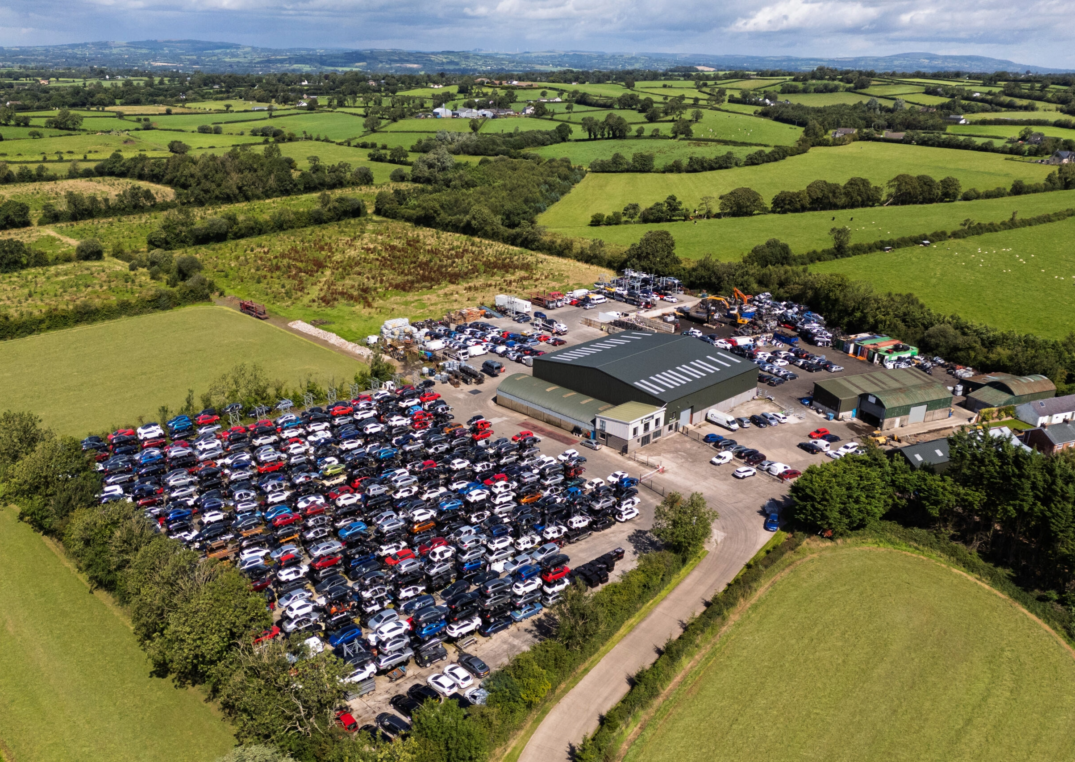
From our facility in Northern Ireland, Ecopart processes hundreds of vehicles every month, ensuring that as much of each car is recycled as possible.

We:

  • Recover and resell reusable car parts

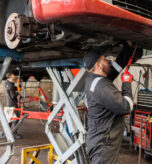
  • Safely de-pollute and dismantle vehicles

  • Prevent hazardous fluids and materials from harming the environment

  • Supply reclaimed parts to local and international markets — supporting the circular economy

🌱 Our goal is simple: Less waste, more reuse, and a cleaner Northern Ireland.


Final Thought: Scrapping Is More Than Disposal — It’s Environmental Action

When you scrap your car responsibly with a company like Ecopart, you’re not just getting rid of a vehicle — you’re contributing to a low-waste, sustainable future.

💚 Your old car might not move anymore — but it can still drive real environmental impact.