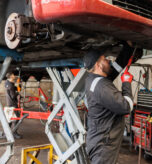

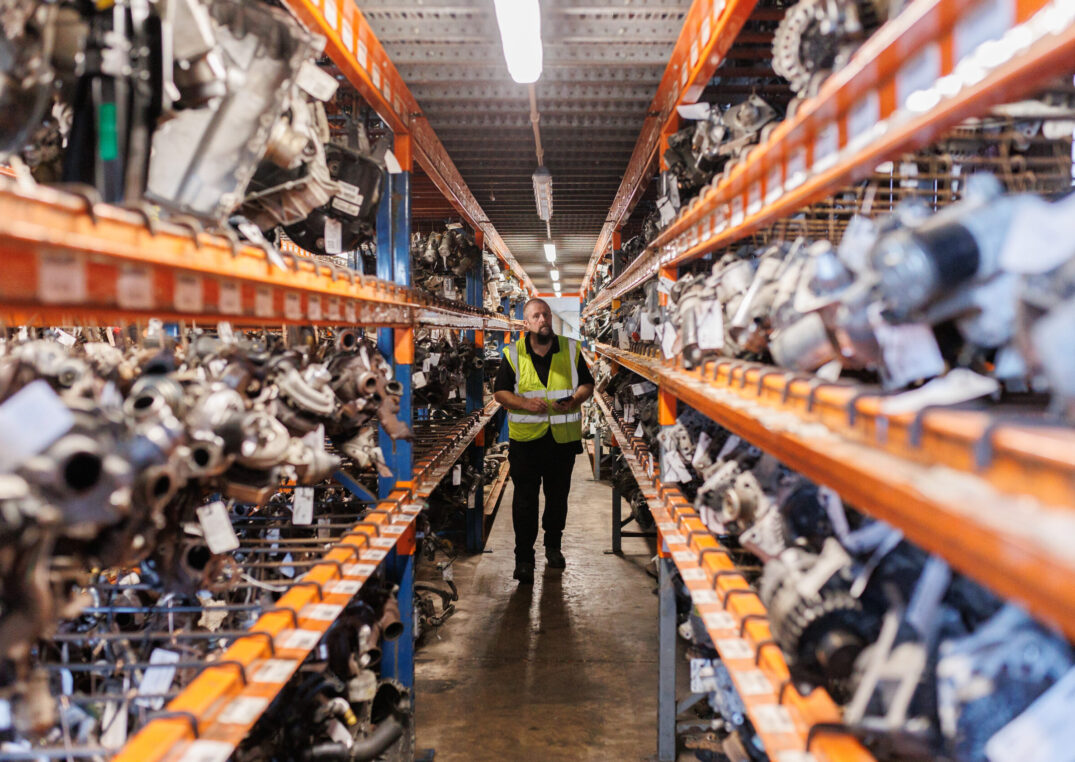
Many parts of scrapped vehicles can be recycled or reused, contributing to a more sustainable and environmentally friendly approach to vehicle disposal.
Key Parts of Vehicles That Can Be Recycled or Reused
- Metals (Steel and Aluminium): Can be melted down and recycled. Recycling steel saves about 74% of energy; recycling aluminium saves up to 95%.
- Copper: Used in electrical wiring and radiators. Highly recyclable — can be reused in new electrical components and plumbing materials.
- Tyres: Can be recycled into rubberised asphalt, playground surfaces, and athletic tracks, or repurposed for garden planters, furniture, or art.
- Batteries (Lead-Acid): Highly recyclable. Lead is recovered and reused in new batteries; plastic casings recycled into new plastic products.
- Glass (Windshields and Windows): Crushed and melted to create new glass containers, fibreglass insulation, and other glass products.
- Plastics: Bumpers, dashboards, and interior panels can be shredded and melted down to create new plastic products.
- Fluids (Oil and Coolant): Used motor oil can be re-refined into new oil; coolant can be cleaned and reused.
- Electronic Components: Many can be refurbished and reused, or recycled to recover valuable materials like gold, silver, and palladium.
- Catalytic Converters: Contain precious metals (platinum, palladium, rhodium) which can be recovered and reused.
Benefits of Reusing Car Parts
- Cost Savings: Reused parts are often more affordable than new ones.
- Resource Conservation: Conserves the raw materials and energy required to produce new components.
- Environmental Impact: Reduces waste and the environmental impact associated with manufacturing new parts.
Conclusion
At Ecopart, we are committed to environmentally responsible vehicle recycling. Our processes ensure that as many parts as possible are recycled or reused, contributing to a greener future.